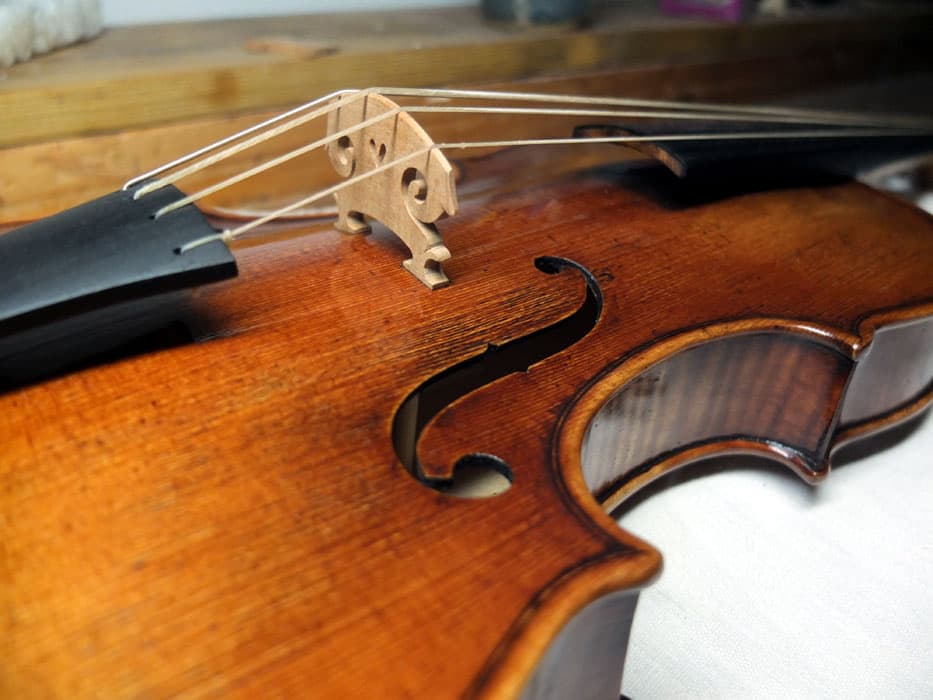
The violin is one of the most expressive and emotional instruments in the history of music. Its sound can convey the finest shades of feeling, from tenderness to drama. However, to achieve true mastery, a musician needs a deep and comprehensive approach to playing technique. Over the centuries, from the Baroque era to modern times, violin playing techniques have undergone many changes, reflecting cultural and technical transformations in music and instrument making.
The Violin and Technique of the Baroque Era
In the Baroque era (approximately the 17th to early 18th century), the violin had a somewhat different construction than the modern instrument. The fingerboard was shorter, and the design allowed for a soft and warm sound. Playing techniques at that time focused on smoothness and expressiveness, emphasizing nuances of dynamics and articulation. Baroque bows were lighter and differently shaped, enabling musicians to achieve particular sound shades.
Playing featured so-called bowing techniques — various ways of handling the bow to convey emotional coloration. Baroque musicians paid close attention to the articulation of each note, the ability to quickly change bow speed and pressure to highlight the character of the piece. Vibrato was actively used but was more improvisational in nature rather than a constant effect.
Evolution of Technique in the Classical and Romantic Periods
With the transition to Classicism and Romanticism (18th–19th centuries), violin playing techniques acquired new traits. The instrument underwent structural changes: the fingerboard lengthened, string tension increased, and the bow became more curved, expanding possibilities for articulation and dynamics. These changes allowed musicians to achieve more powerful and bright sounds.
New technical techniques appeared — legato and staccato gained particular expressiveness, and vibrato became an integral part of performance. Masters of the era developed virtuosic technique, expressed in fast passages, double and triple stops, pizzicato, and complex bowing methods. To master these techniques, musicians paid attention to hand position, wrist relaxation, and precise bow control.
A key point was the development of the hand position on the fingerboard — finger height and pressure influenced timbre and intonation. Musicians learned smooth shifts between positions to create seamless sound. At this time, the first method books and manuals appeared, systematizing the experience of masters.
Modern Violin Playing Technique
In the 20th and 21st centuries, playing technique continued to evolve, enriched by new styles and experiments. Modern violinists use various sound effects, including sul ponticello (playing near the bow’s tip), col legno (striking with the wood of the bow), flutter-tonguing (rapid bow oscillations), and many others. These techniques expand the sound palette and allow adaptation to various musical genres — from classical to jazz and experimental music.
Modern pedagogues emphasize the importance of correct posture and relaxed breathing, as these factors directly affect sound quality and playing endurance. Bow technique has become more diverse — varying speed, pressure, and bow angle allows creating a wide range of dynamic shades and articulations.
Great attention is also paid to developing finger technique: through exercises and études, violinists learn to move fingers quickly and accurately, improving strength and flexibility. Modern teaching methods include video analysis and digital technologies, which help monitor correctness of movements and correct mistakes.
The Importance of Tradition and Individuality in Playing Technique
Despite general standards and methods, violin playing technique has always been a field of creativity and individual approach. Every great violinist brought their own features, adapting technical methods to their performance style and physical abilities. This keeps music alive and unique, allowing performers to find their own voice.
Familiarity with the history of technique and traditions of different eras helps understand why certain techniques arose and how to use them today. For example, studying Baroque technique reveals possibilities of playing with lightness and expressiveness that remain relevant in modern music. Contemporary techniques expand the performer’s arsenal, providing new sound colors and means of self-expression.
Practical Advice for Violinists
To master playing technique, systematic and mindful training is necessary. It is important to pay attention to developing all aspects — from body position to hand and finger work, from breathing to auditory control. Regular practice of études that develop different technical skills helps build a solid foundation.
It is also essential to develop musicality — technique should serve the music, not be an end in itself. Students should study repertoire from different eras to understand stylistic features and learn to convey the character of a piece through technical means.
In recent decades, master classes and online courses have become widespread, opening access to the experience of leading performers and teachers from various countries, including Slovenia, where the violin enjoys well-deserved popularity in musical education and concert practice.
Conclusion
Violin playing technique is a multifaceted and dynamic process reflecting the historical development of the instrument and musical styles. From Baroque to the present day, masters have developed and refined performance methods, enriching the musical language and expanding expressive possibilities. Today, every violinist can rely on centuries-old traditions while simultaneously using modern achievements to create unique sound and mastery. Attention to detail, constant practice, and striving for individual expression remain the main keys to success on the path to virtuosity.